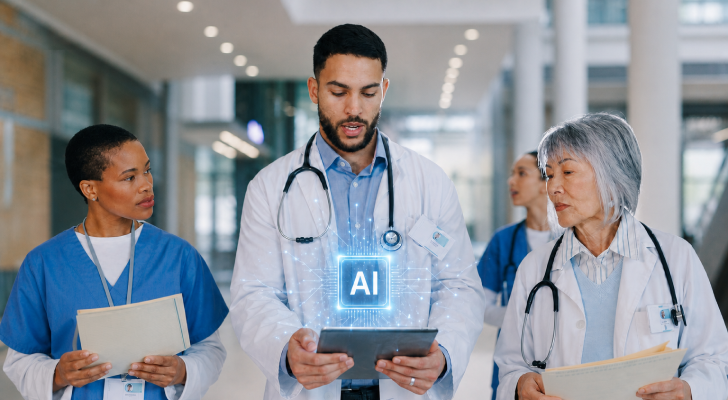
Hospitals are stepping into a new era for workforce management with data, automation, and artificial intelligence. Today, hospitals have systems that make scheduling easier, reduce busywork, help plan staffing, and provide better patient care. Technology is moving fast, and healthcare teams now have tools they never had before.
But the need for healthcare workers in different departments keeps growing day by day. Hospitals still struggle to have the right people in the right place at the right time for patient care. Here is where AI helps by pulling workforce data together and making staffing choices smarter.
How Staffing Gaps Affect Patient Care
Hospitals face a constant shortage of nurses, doctors, and support workers. When staffing falls short, patients wait longer for care. Mistakes become more likely. Burnout spreads through teams. Many workers quit, making the problem even worse.
The pandemic made things much harder. Staff got sick, quit, or moved to other jobs. Hospitals started hiring temporary workers at very high costs. Old ways of managing staff could not keep up with the new reality.
How AI Helps Solve Hospital Staffing Gaps
AI is not here to replace healthcare professionals. It is here to support them. AI tools can do tasks that used to take humans hours or days. They work faster, without fatigue, and with great accuracy.
Predicting Staffing Needs Before Problems Start
AI can study past data like patient admissions, seasonal illness trends, and local events to predict when a hospital will need more staff. One hospital in North India used AI predictions and saw emergency room wait times drop by 30 percent. Patients in pain got care faster.
Smart Scheduling That Matches Real Demand
Old scheduling methods often put too many staff on slow days and too few on busy days. AI creates schedules that match real-time hospital needs. It considers staff preferences, shift laws, and fatigue levels. The result is fairer shifts and fewer last-minute calls to staff.
Faster Hiring and Onboarding
Finding the right people takes time. AI can scan thousands of resumes in minutes, match skills to job needs, and run initial interviews through chatbots. This cuts hiring time from weeks to days. Some hospitals now fill critical nursing roles in less than a week using AI hiring tools.
Reducing Burnout with Better Workload Balance
Healthcare workers often carry too much. AI can track workloads and flag when someone is overworked. It can suggest shift swaps or bring in per-diem staff before a crisis happens. This small change helps save careers and lives.
Connecting With the Right Temporary Staff
Sometimes hospitals need extra hands right now. AI platforms can instantly connect hospitals with qualified temporary staff in their area. These systems handle background checks, credentials, and payments automatically. This is where a Healthcare vendor management system becomes very important because it keeps all temporary workers and agencies organized in one place.
How AI Supports Healthcare Staff Every Day
AI does not replace humans. It gives humans more time to do what they do best – care for patients. When AI handles scheduling, paperwork, and predictions, nurses and doctors can spend more time holding a patient’s hand or explaining a treatment plan.
One nurse shared that for the first time in years, she was not working through her lunch break after her hospital started using AI scheduling. That is the real win. AI is giving healthcare workers their lives back.
How Hospitals Get Better Results with AI
Hospitals get the best results when AI is used together with strong management systems. For example, when one hospital added AI staffing tools to their existing Healthcare vendor management system, they cut temporary worker costs by 25 percent while improving staff satisfaction scores.
The key is not to buy every new tool. It is to choose AI that fits the hospital’s real needs and works with current systems.
How to Start Using AI for Staffing Today
For hospitals that want to try AI for staffing, the path is clear:
- Start small. Pick one pain point like scheduling or hiring.
- Talk to staff first. They know the problems best.
- Choose tools that are easy to use and do not need heavy training.
- Measure results. Track wait times, staff turnover, and satisfaction.
- Scale up slowly once what works becomes clear.
AI Can Change Everything for Healthcare Workers. AI will not fix everything overnight. But hospitals that use AI the right way see real benefits. Patients get better care. Staff get more support. Burnout goes down. Turnover drops.
Conclusion
AI will not fix everything overnight, but it offers real hope for hospitals struggling with staffing gaps. When used wisely, AI gives healthcare workers the support they need, reduces burnout, and improves patient care. The hospitals that start now will be the ones that lead the way toward a healthier future for everyone.
Hospitals that embrace smarter staffing strategies today will be better prepared for tomorrow’s challenges.
That’s all for now. We hope this article helped you understand how AI can address staffing gaps and support healthcare teams.
You may also find these related articles useful:
The Future of Recruiting: Will AI Replace Human Recruiters?
How a Vendor Management System Can Transform Healthcare Staffing
AI-First VMS: A Walk Through the Contingent Workforce Lifecycle
FAQs
How can AI be used in healthcare staffing today?
AI helps hospitals forecast staffing needs, optimize schedules, streamline hiring, and automate administrative tasks. By analyzing workforce data, it can identify staffing gaps early, improve workforce planning, and support better resource allocation, helping healthcare organizations operate more efficiently while maintaining quality patient care.
Can AI help hospitals fill staffing gaps more efficiently?
Yes. AI helps hospitals identify staffing shortages earlier, optimize schedules, and match qualified candidates to open positions faster. By analyzing workforce data and demand patterns, AI supports quicker staffing decisions and helps maintain adequate workforce coverage during periods of high patient demand.
How can hospitals predict staffing shortages before they happen?
Hospitals can use AI to analyze historical staffing data, patient volumes, seasonal trends, and workforce utilization rates to identify potential shortages before they affect operations.
How can AI help hospitals manage agency and contingent workers?
AI provides visibility into supplier performance, worker availability, labor costs, and compliance requirements, helping hospitals make faster and more informed staffing decisions.
What is the role of AI in healthcare vendor management?
AI helps healthcare organizations manage staffing suppliers more effectively by analyzing vendor performance, worker availability, compliance requirements, and labor costs. These insights support better supplier selection, faster staffing decisions, and improved control over contingent workforce programs.